
When Should You Consider Professional Men’s Counselling?
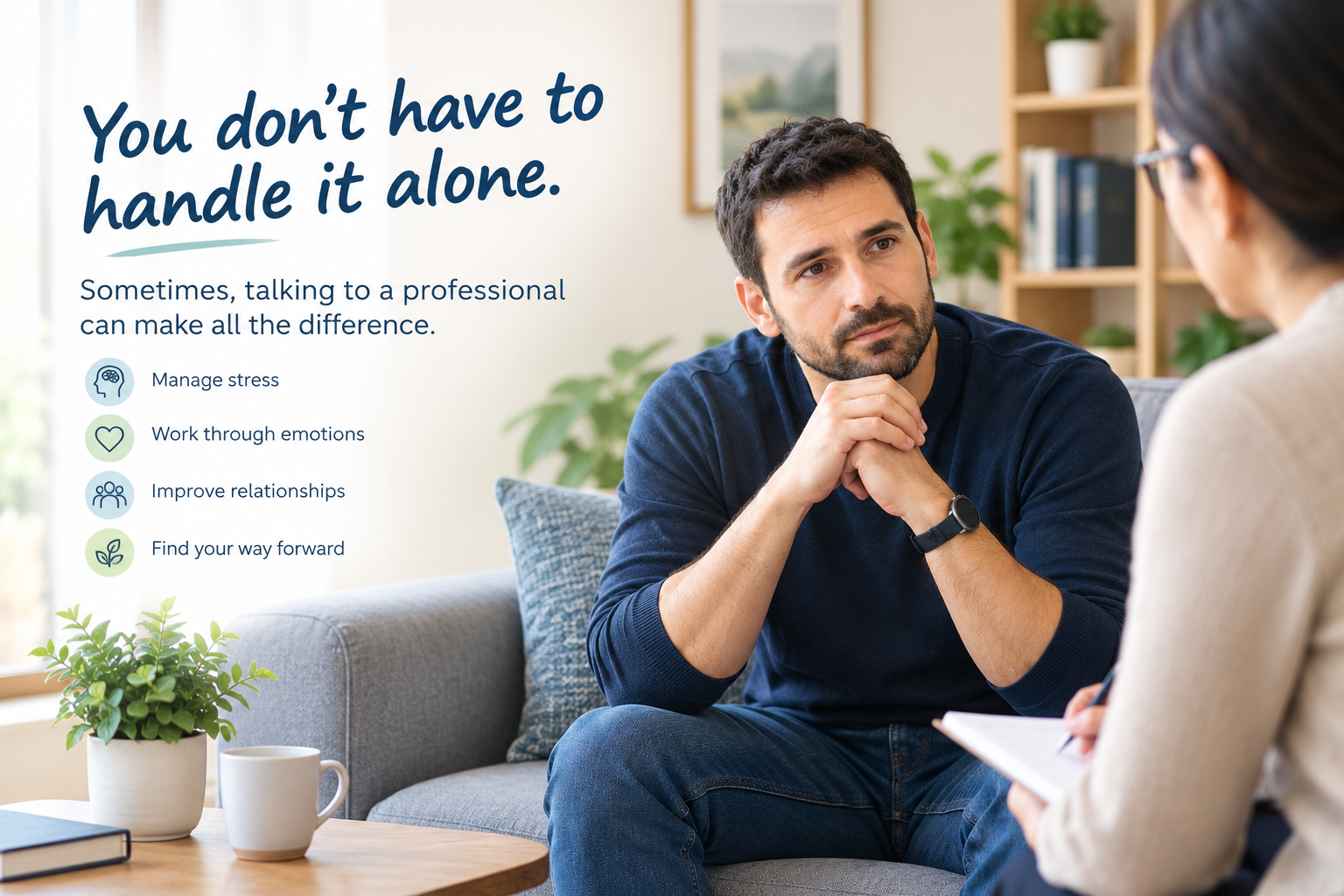
Summary: There are several ways to understand that you need professional counselling. If everyday stress feels overwhelming or you find it difficult to understand your emotions, you may need counselling.
Life can be challenging, even when everything appears fine on the outside. Work pressure, family responsibilities, relationship difficulties, and personal expectations can sometimes become difficult to manage. Many men feel they must handle these challenges alone. However, asking for support is not a sign of weakness. It is a positive step towards understanding yourself and improving your well-being. Professional men’s counselling in Toowoomba provides a safe, confidential space to discuss personal concerns, explore emotions, and develop healthier coping strategies.
But how do you know when it is the right time to seek help? Recognising a few common signs can help you make an informed decision.
Telltale Signs It Is the Right Time to Consider Men’s Counselling
You Find It Difficult to Understand or Express Your Emotions
Many men grow up believing that they should always appear strong and avoid discussing difficult feelings. Over time, this expectation can make it harder to recognise emotions such as sadness, fear, disappointment, or loneliness.
You may withdraw from others, become unusually frustrated, or keep your worries to yourself. Sometimes, you may know that something feels wrong without understanding why. This is where counselling for men becomes relevant. It helps explore emotions without fear of judgment.
Everyday Stress Starts Feeling Overwhelming
Stress is a normal part of life. Deadlines, financial responsibilities, and family commitments can put pressure on anyone. However, when stress becomes constant, it may begin to affect your sleep, concentration, mood, and physical health. Do you often feel exhausted, irritated, or unable to switch off after work?
These experiences may indicate that you need additional support. Professional counselling can help you identify stress and explore practical ways to manage it. A counsellor may help you recognise unhelpful thought patterns, establish healthier boundaries, and develop realistic coping strategies.
Relationship Problems Become Difficult to Resolve
Relationships require communication, patience, and mutual understanding. However, disagreements, misunderstandings, trust issues, and unmet expectations can sometimes create distance between partners.
You may notice that the same arguments keep happening, meaningful conversations have become less frequent, or you struggle to explain your feelings without becoming defensive. These patterns can affect both your relationship and your emotional well-being.
In such situations, relationship counselling may help you understand recurring conflicts and improve communication. Remember that seeking support doesn't automatically mean your relationship is failing. It can be an opportunity to understand what is happening and decide how you want to move forward.
You Feel Stuck During Major Life Changes
Life transitions can bring uncertainty, even when they are expected or positive. Becoming a parent, experiencing a breakup, losing a loved one, changing careers, or approaching retirement can affect your sense of identity and direction.
During these periods, you may feel unsure about your future or struggle to adjust to new responsibilities. General counselling can provide a supportive environment to explore these experiences, understand your priorities, and work through difficult emotions.
Work Pressure Begins Affecting Your Personal Life
Work can provide purpose and financial stability. However, excessive pressure can make it difficult to maintain a healthy balance. Long office hours, job insecurity, career uncertainty, and unrealistic expectations may leave you feeling mentally drained.
Perhaps you think about work late at night, become impatient with family members, or lose interest in activities you once enjoyed. You might even feel guilty when taking time to rest.
Professional counselling can help you examine these patterns and identify manageable changes. This could include setting boundaries around working hours, improving problem-solving skills, and making time for activities that help you recharge.
You deserve the same understanding and care that you would offer someone else. Taking that first step and reaching out to us can help you develop greater self-awareness, build healthier coping skills, and approach life’s challenges with more confidence